
ADVERTISER DISCLOSURE: The Frugal Tourist is part of an affiliate sales network and receives compensation for sending traffic to partner sites, such as MileValue.com. This compensation may impact how and where links appear on this site. This site does not include all financial companies or all available financial offers. Terms apply to American Express benefits and offers. Enrollment may be required for select American Express benefits and offers. Visit americanexpress.com to learn more. All information about the American Express Schwab Platinum has been collected independently by The Frugal Tourist.
EDITORIAL DISCLOSURE: Opinions, reviews, analyses & recommendations are the author’s alone and have not been reviewed, endorsed, or approved by any of these entities.
The Museo Nacional de Antropología in Mexico City isn’t just a museum; it’s a gateway to the heart and soul of Mexico’s history, culture, and identity.
Located in the vibrant Chapultepec Park, this renowned museum houses one of the globe’s most impressive collections of pre-Columbian artifacts and ethnographic treasures.
From the indigenous heritage of the country to the ingenious creations of the great Mesoamerican civilizations, it’s all here.
For visitors, the free English language walking tours offer a deeper appreciation of this stunning collection, so plan your visit to coincide with them for an enriched experience.
To help you make the most of your trip, we’ve curated the top ten treasures you should see in this iconic museum.

Why You Shouldn’t Miss the Museo Nacional de Antropología in Mexico City
If you’re heading to Mexico City and looking for an experience that’s equal parts enlightening and awe-inspiring, the Museo Nacional de Antropología is a must-visit.
This isn’t just another museum; it’s a gateway to understanding Mexico’s rich and complex past.
First off, the museum’s collection is massive.
We’re talking about the most extensive collection of pre-Columbian artifacts in the world.
The museum is also a marvel of architecture.
Its design is as innovative as the stories it tells.
Picture this: a colossal, unique concrete canopy supported by a single pillar, creating a stunning courtyard right in the heart of the museum.
Globally, the Museo Nacional de Antropología stands out as one of the world’s finest museums.
Some even argue that it surpasses the British Museum and the Louvre in terms of focus and thoughtful curation.
So, whether you have a packed itinerary or an open afternoon, take some time to visit.
Don’t forget your camera, though!
That stone courtyard and Stone of the Sun deserve a spot in your travel photos.
1. The Aztec Sun Stone (Piedra del Sol)
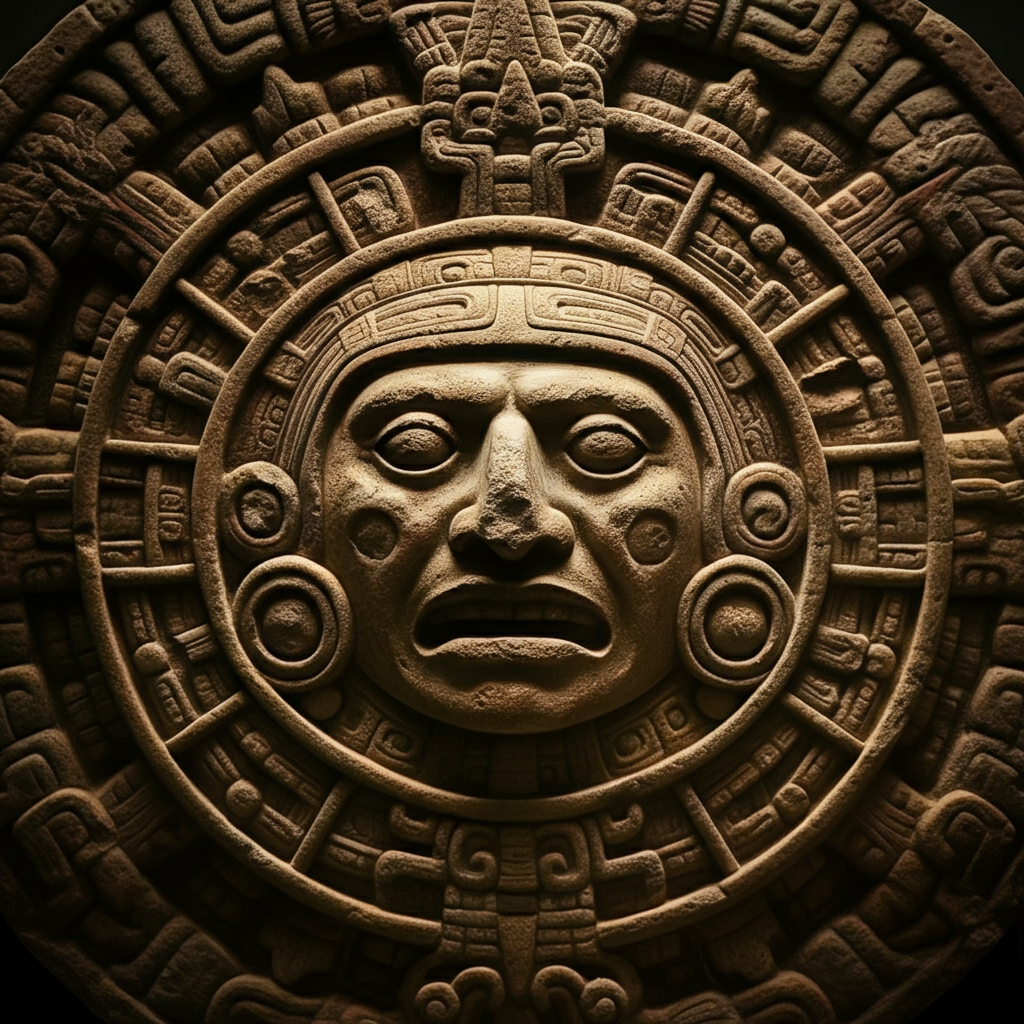
The Aztec Sun Stone is a true marvel of ancient craftsmanship that’s often (wrongly!) called the “Aztec Calendar.”
Picture this: a 24-ton circular masterpiece, carved with astonishing detail and packed with stories about how the Aztecs saw the universe.
At the center, you’ll find Tonatiuh, the sun god, looking fierce and commanding.
Every inch of this stone reflects the Aztecs’ incredible understanding of time, space, and the cycles of the cosmos.
It’s like unlocking a secret code to their entire worldview!
And don’t worry, you don’t need to be a historian to appreciate its significance.
This isn’t just a chunk of rock!
It’s a window into Aztec mythology and the way they explained life itself.
If you ever get the chance to see it in person, trust me, you’ll be amazed.
2. The Jade Mask of Pakal the Great
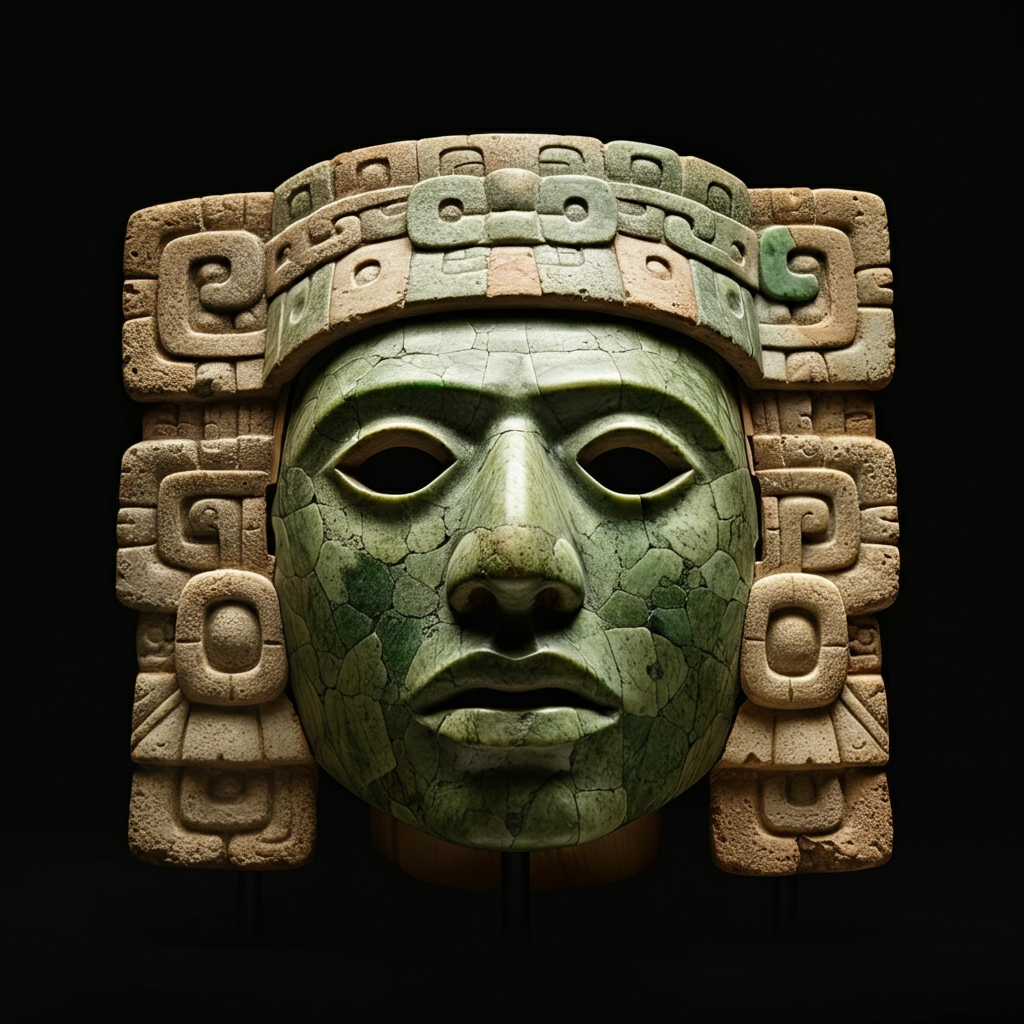
The funerary mask of Mayan ruler Pakal the Great is a stunning centerpiece of the museum’s Mayan exhibit.
Crafted from jade, shell, and obsidian, the mask was placed over the ruler’s face in his tomb at Palenque to symbolize his divine connection.
This piece reflects the advanced artistry of the Maya and their deep reverence for their leaders as intermediaries with the gods.
3. The Teotihuacan Mural Fragments
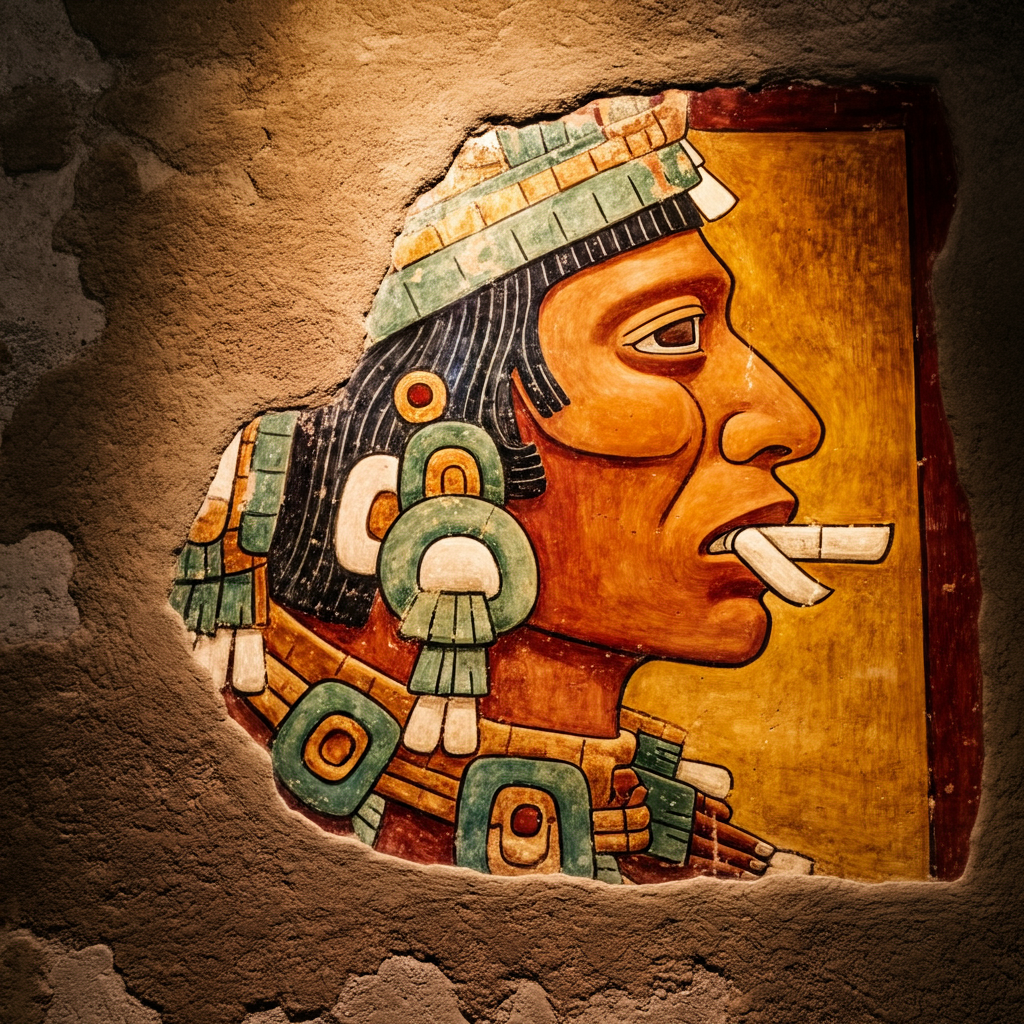
These colorful murals, used to decorate the walls of homes and temples in Teotihuacan, featured detailed images of deities, jaguars, and abstract patterns.
Made with natural pigments and crafted with incredible precision, they highlight the artistic talent of this ancient city.
As you walk through the displays, it’s easy to picture what life might have been like during Teotihuacan’s peak.
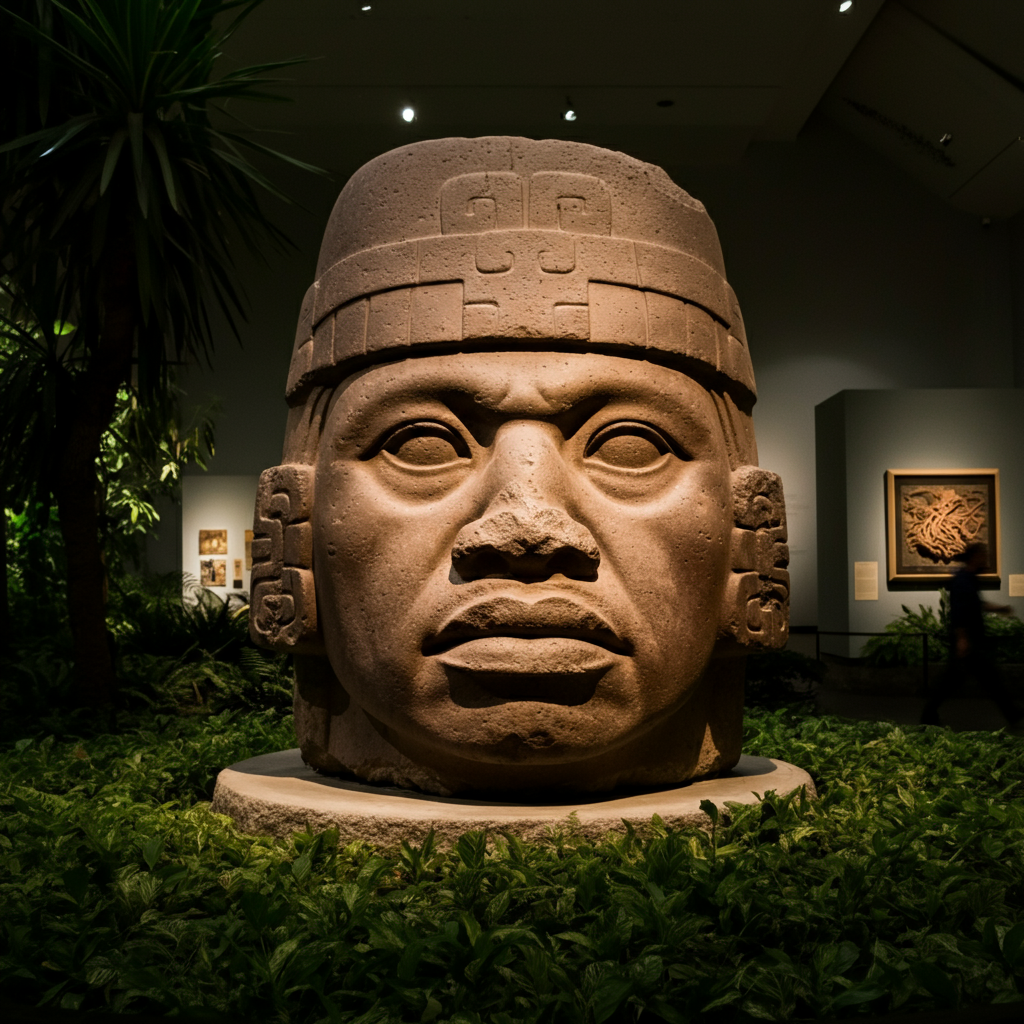
4. The Olmec Colossal Heads
These massive basalt sculptures, carved between 1500 and 400 BCE, showcase the incredible craftsmanship of the Olmec civilization and possibly that of its leaders.
Standing in front of one of these giant heads, with their strikingly detailed facial features, is truly awe-inspiring.
Each piece weighs several tons, offering a fascinating glimpse into the strength and mystery of Mexico’s “mother culture.”
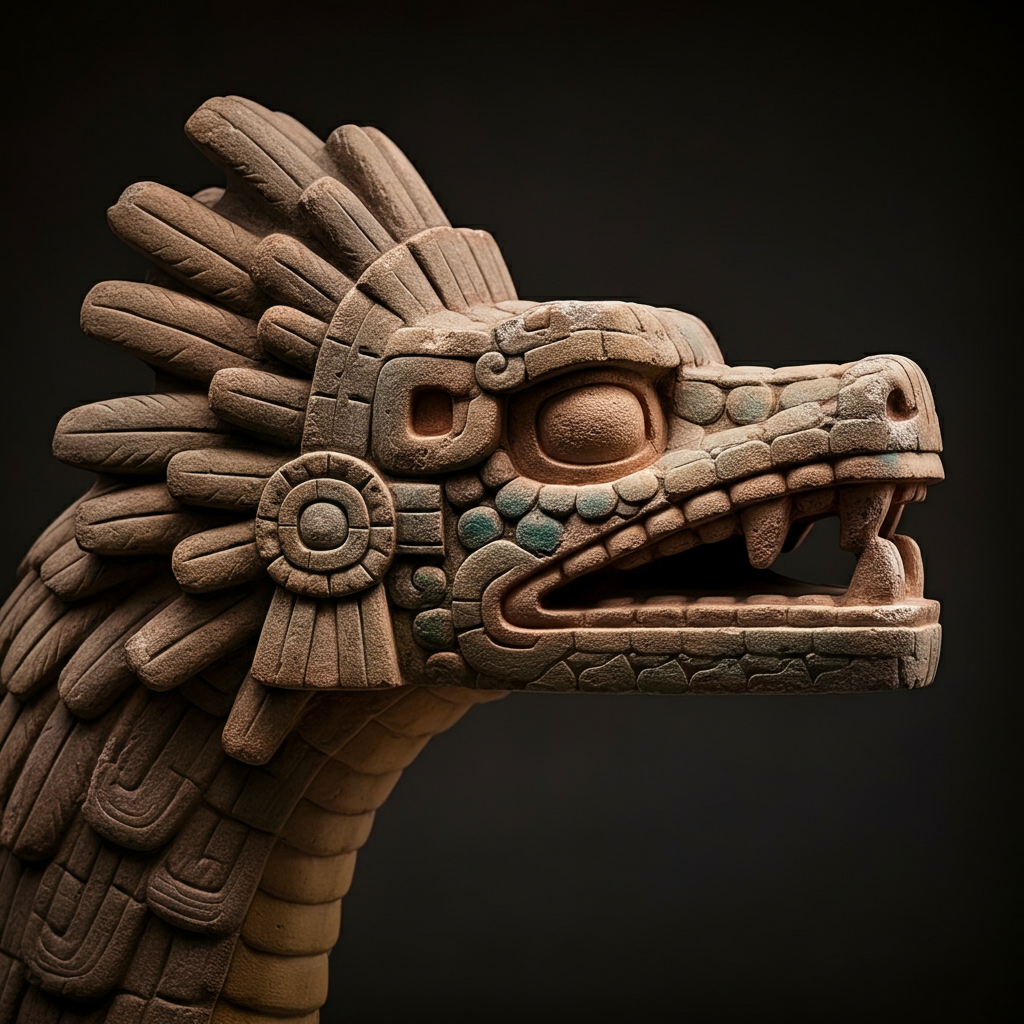
5. The Feathered Serpent Head (Quetzalcoatl)
This stone carving of Quetzalcoatl, the Feathered Serpent deity, is a symbol of Mesoamerican mythology.
The serpent’s intricate scales and feathers represent the connection between earth and sky, emphasizing duality in Mesoamerican thought.
It’s a dramatic piece you’ll find impossible to miss.
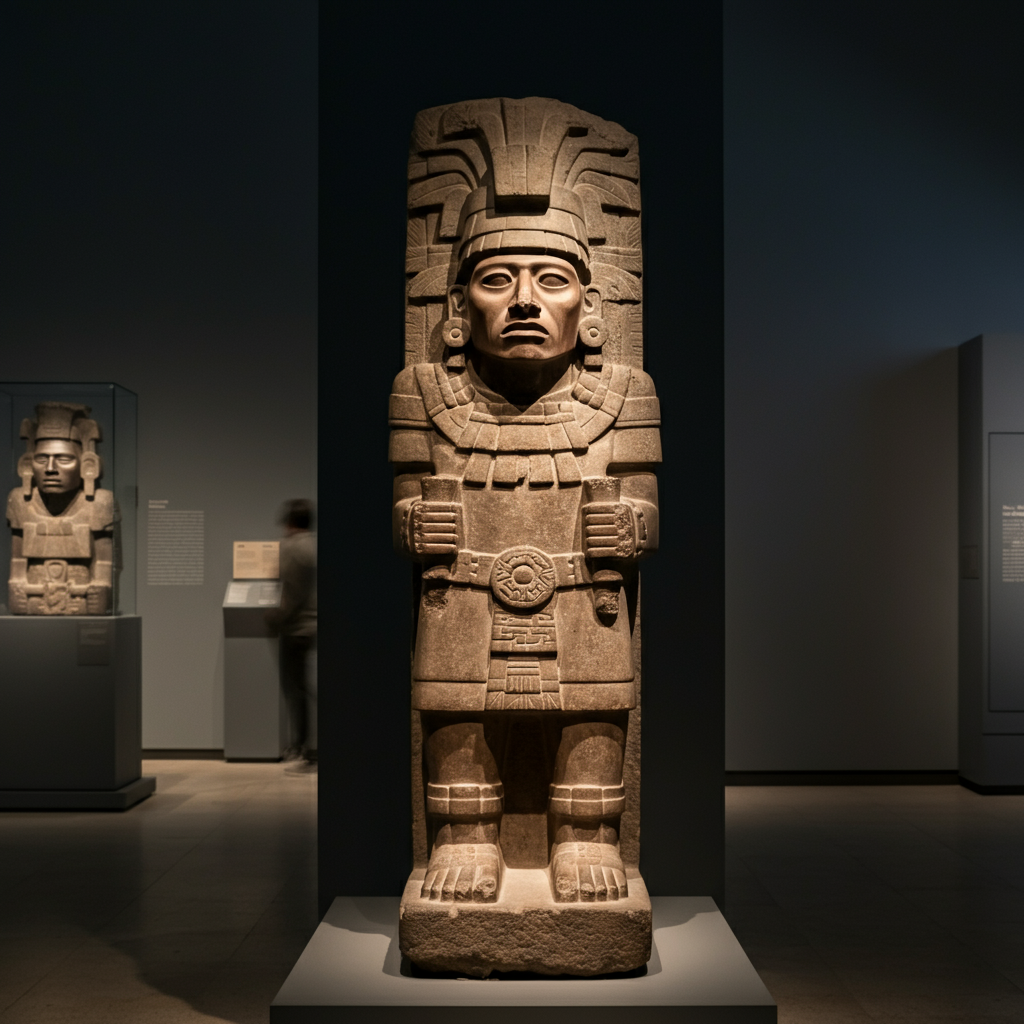
6. The Tula Warriors (Atlantean Figures)
These towering statues were initially found in Tula, the ancient capital of the Toltec civilization.
Known as Atlantes, these columns represent Toltec warriors and once supported the roof of a temple.
Standing in their shadow, you can feel the strength and discipline that defined the Toltecs.
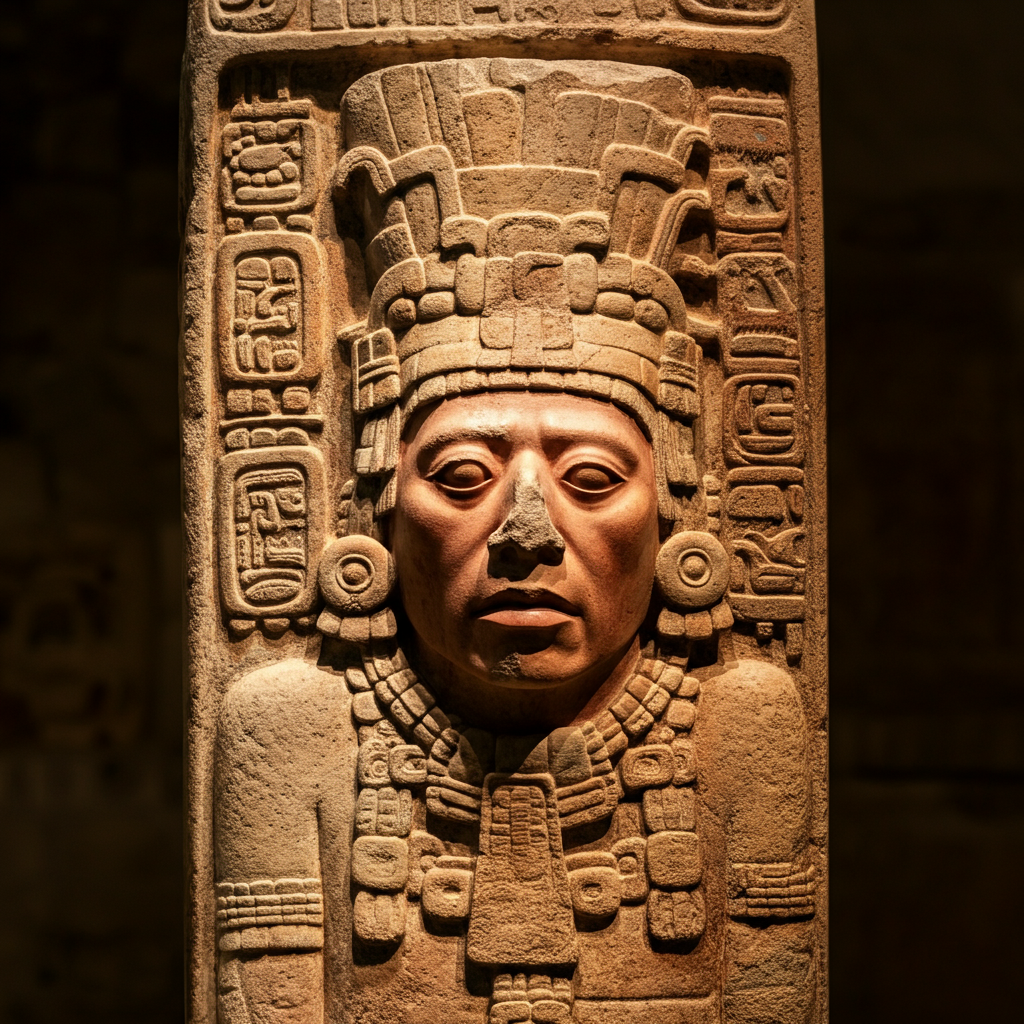
7. Mayan Stelae
The Mayan stelae are intricately carved vertical stones that depict rulers, gods, and ceremonial scenes, often accompanied by hieroglyphic texts.
These stelae are not just works of art but historical records of the Mayan world’s achievements in astronomy, politics, and religion.
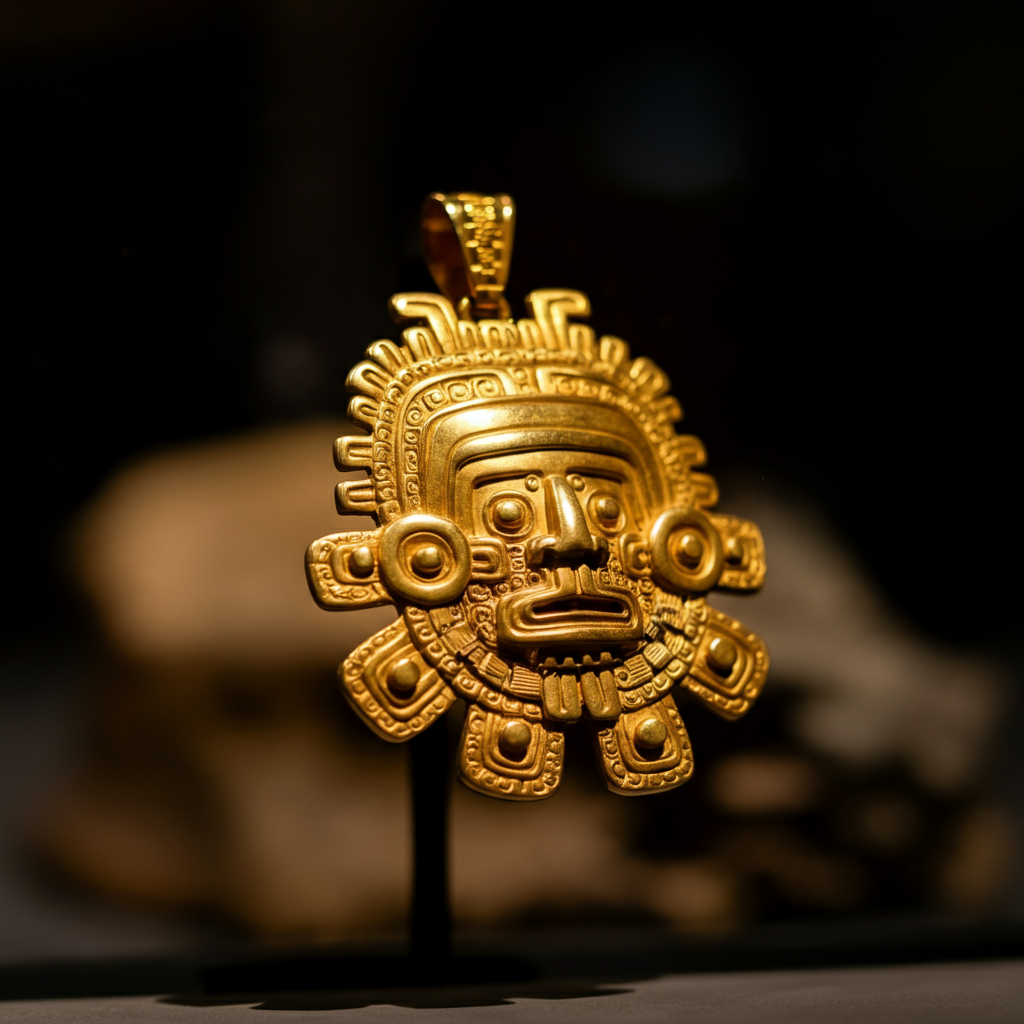
8. Mixtec Gold Jewelry
Found in the tombs of Oaxaca, these gold artifacts showcase the Mixtec civilization’s unmatched skill in metallurgy.
Bracelets, pendants, and intricate headdresses tell the story of wealth, divine authority, and the artistry of mixing gold with other materials.
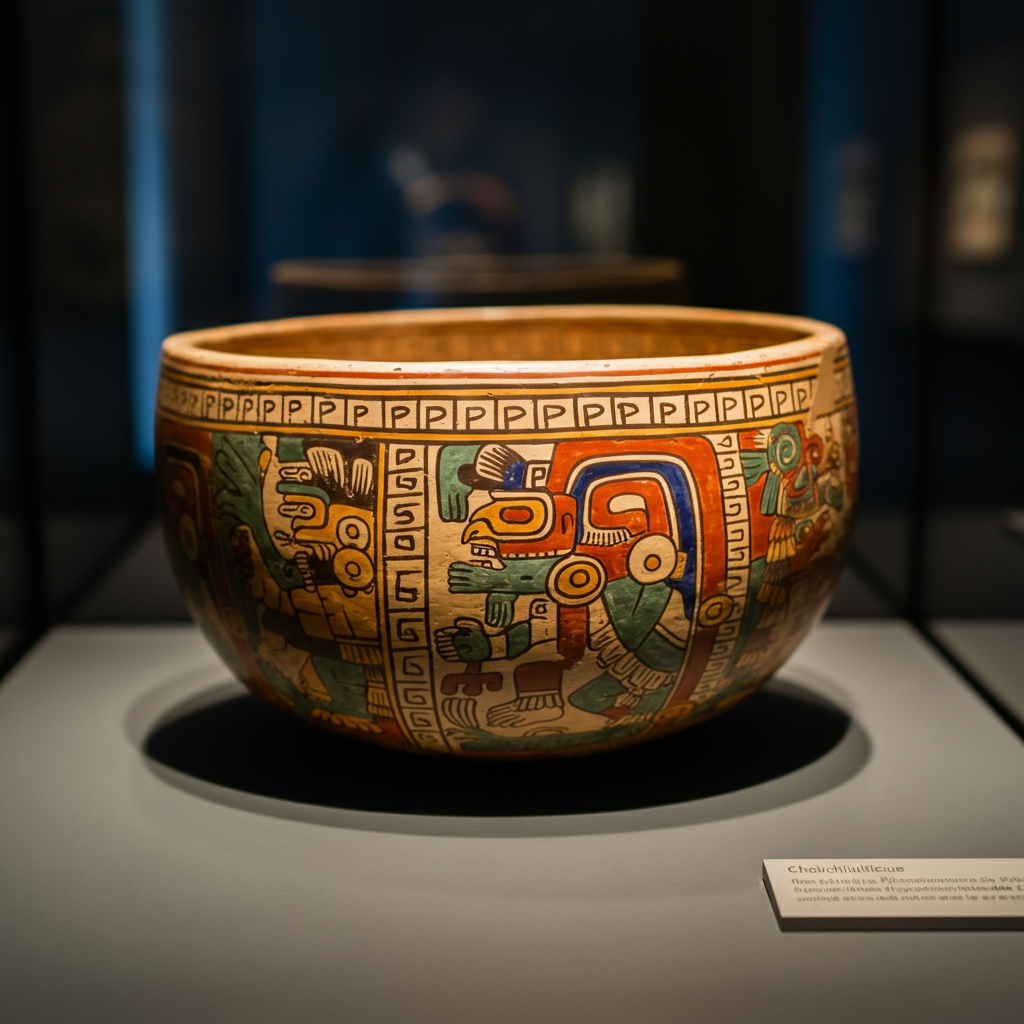
9. Mexica Ceremonial Bowl (Chalchiuhtlicue Bowl)
This beautifully crafted ceremonial bowl dedicated to Chalchiuhtlicue, the goddess of water, reflects the Mexican people’s spirituality and reverence for nature.
The intricate patterns and symbolic colors on the bowl convey a great deal about their rituals and beliefs.
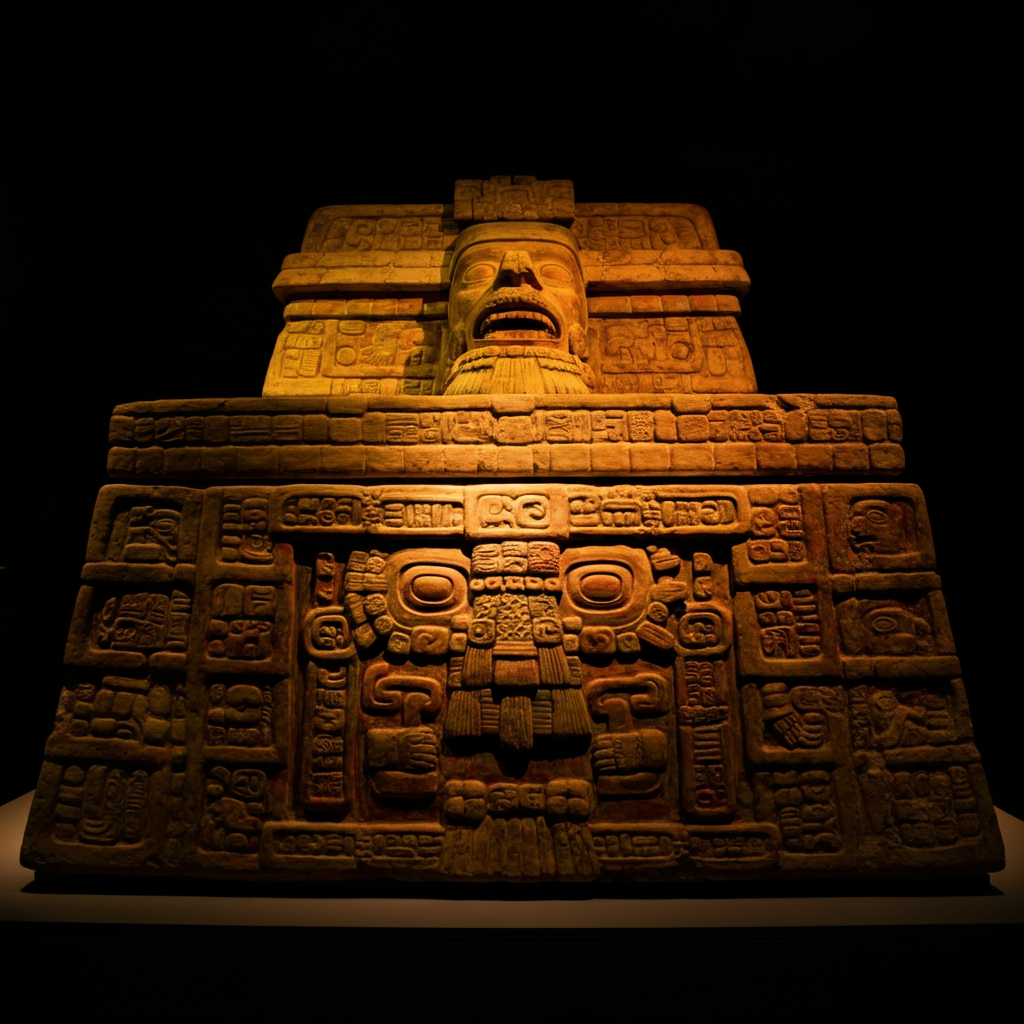
10. The Replica of the Tomb of Pakal the Great
This full-size replica of Pakal’s tomb in Palenque is the perfect way to round out your visit.
The detailed recreations of the sarcophagus lid and its surrounding carvings transport you to the depths of an ancient Mayan ruler’s final resting place.
It offers a magnificent glimpse into burial traditions steeped in mythology.
Practical Tips for Visiting the Museo Nacional de Antropología
- Best Times to Visit: The museum tends to be quieter in the morning on weekdays, so arriving early is a good idea to beat the crowds.
- Tours: Take advantage of the free English walking tours to deepen your understanding of the exhibits.
- Dining: Enjoy a snack in the museum’s café or venture into Chapultepec Park for food vendors and shaded picnic spots.
- Nearby Attractions: Combine your museum trip with a relaxing stroll through Chapultepec Park or a visit to the iconic Chapultepec Castle.
What to Eat in Mexico City
Mexico City is a paradise for food lovers, and no trip is complete without indulging in its iconic culinary delights.
Here are three must-visit spots for sweet treats:
- El Moro Churrería: For the best churros in town, El Moro is an institution. Dip these crispy, cinnamon-coated delights into thick, rich hot chocolate for the ultimate comfort food experience.
- Pastelería Ideal: A dream for pastry lovers, this historic bakery offers a wide range of treats, from flaky conchas to intricately decorated cakes. It’s heaven for a midday snack.
- La Rifa Chocolatería : Chocolate aficionados will adore La Rifa, where artisanal chocolate is crafted. Their hot chocolate and cocoa-infused treats are the perfect indulgence after a day of exploration.
Be sure to also sample iconic street foods like tacos al pastor, tamales, and tlacoyos from local vendors.
Mexico City’s food scene is as diverse as it is delicious.
Where to Stay in Mexico City
For tourists, I suggest using credit card points and free night awards to save some cash when visiting Mexico City.
I recommend staying at the Andaz as it is centrally located in one of Mexico City’s exciting neighborhoods.
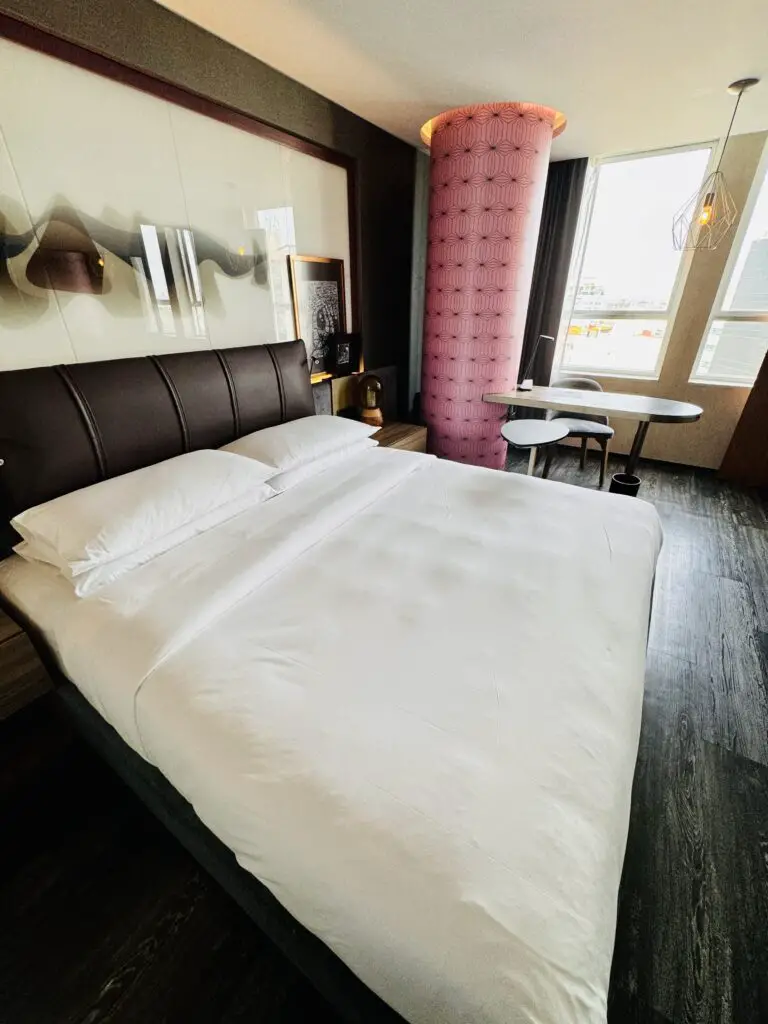
I stayed here for free using the World of Hyatt points earned from my Chase Sapphire Preferred® Card and World of Hyatt Business Credit Card.
How to Fly to Mexico City for Almost Free
All of my trips over the past decade had been ALMOST FREE via travel miles and points.
I accumulate these points from credit card rewards and bonuses.
Some of these credit cards are featured here.
If you are new to traveling using miles and points, join us in our Free Travel Miles and Points Facebook Group.

Final Thoughts
Exploring the treasures of the Museo Nacional de Antropología is more than just a trip through history.
It’s a chance to connect deeply with Mexico’s rich heritage and its diverse peoples.
Each artifact stands as a testament to the ingenuity, creativity, and resilience of ancient civilizations.
Whether you’re a history enthusiast or just curious about the world, this museum will enlighten and inspire you.
Book your visit, join a tour, and prepare to be amazed!
ADVERTISER DISCLOSURE: The Frugal Tourist is part of an affiliate sales network and receives compensation for sending traffic to partner sites, such as MileValue.com. This compensation may impact how and where links appear on this site. This site does not include all financial companies or all available financial offers. Terms apply to American Express benefits and offers. Enrollment may be required for select American Express benefits and offers. Visit americanexpress.com to learn more. All information about the American Express Schwab Platinum has been collected independently by The Frugal Tourist.
EDITORIAL DISCLOSURE: Opinions, reviews, analyses & recommendations are the author’s alone and have not been reviewed, endorsed, or approved by any of these entities.
USER-GENERATED CONTENT DISCLOSURE: The comments section below is not provided or commissioned by the bank advertiser. Responses have not been reviewed, approved, or otherwise endorsed by the bank advertiser. It is not the bank advertiser’s responsibility to ensure all questions are answered.