
ADVERTISER DISCLOSURE: The Frugal Tourist is part of an affiliate sales network and receives compensation for sending traffic to partner sites, such as MileValue.com. This compensation may impact how and where links appear on this site. This site does not include all financial companies or all available financial offers. Terms apply to American Express benefits and offers. Enrollment may be required for select American Express benefits and offers. Visit americanexpress.com to learn more. All information about the American Express Schwab Platinum has been collected independently by The Frugal Tourist.
EDITORIAL DISCLOSURE: Opinions, reviews, analyses & recommendations are the author’s alone and have not been reviewed, endorsed, or approved by any of these entities.
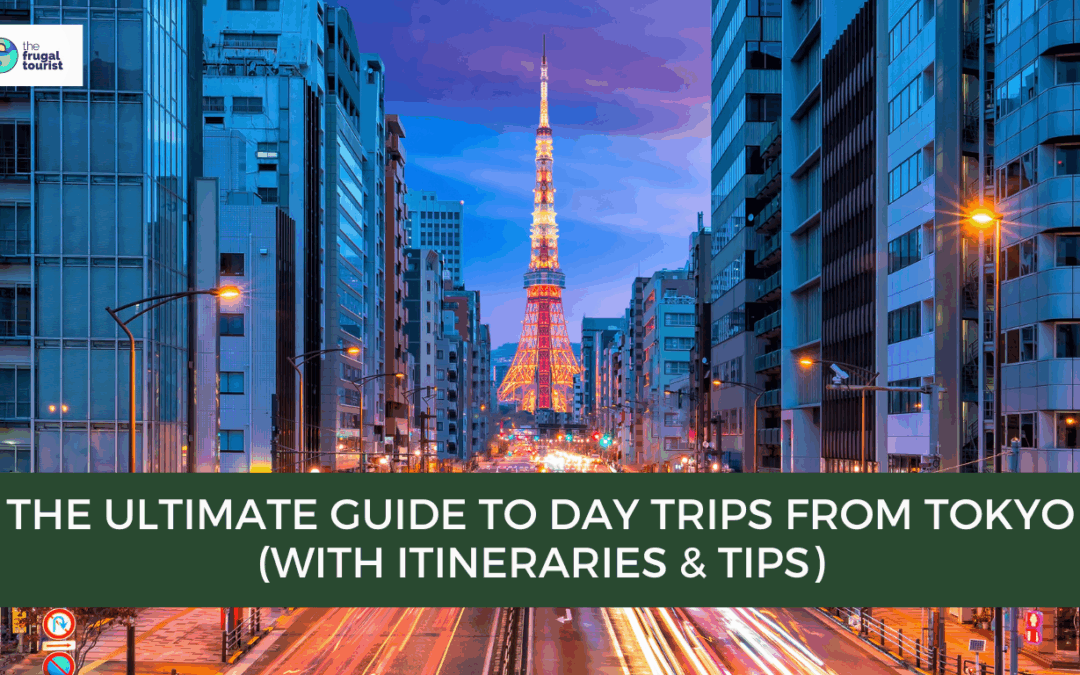
Beyond the neon glow of its bustling streets, Tokyo serves as an incredible gateway to a world of diverse landscapes and experiences.
While the city itself is an endless source of energy and discovery, sometimes a break from the urban symphony is exactly what you need.
A quick escape can transport you to peaceful mountain towns, serene coastal villages, or historical havens that feel a world away.
The best part?
You don’t need to break the bank or sacrifice precious travel time to do it.
This guide is designed to make you feel empowered to explore Japan’s rich culture and stunning nature with ease and on a budget.
Get ready to discover three amazing day trips from Tokyo that offer a perfect blend of culture, nature, and adventure, all within easy reach.

Join Our Free Travel Miles & Points Facebook Group

Hakone
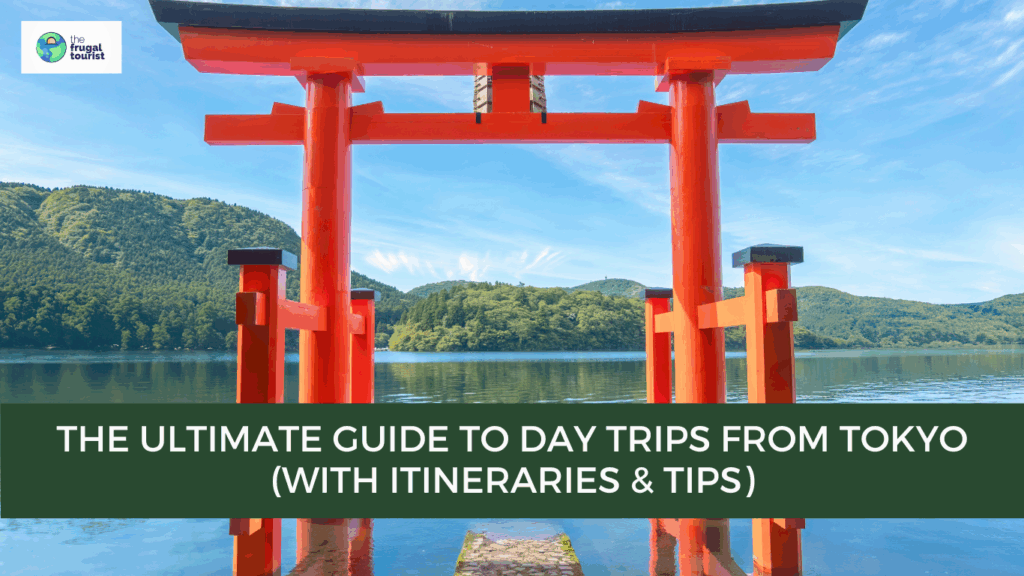
Just a short trip from the city, Hakone is a tranquil mountain resort renowned for its stunning natural beauty, volcanic hot springs (onsen), and breathtaking views of Mount Fuji.
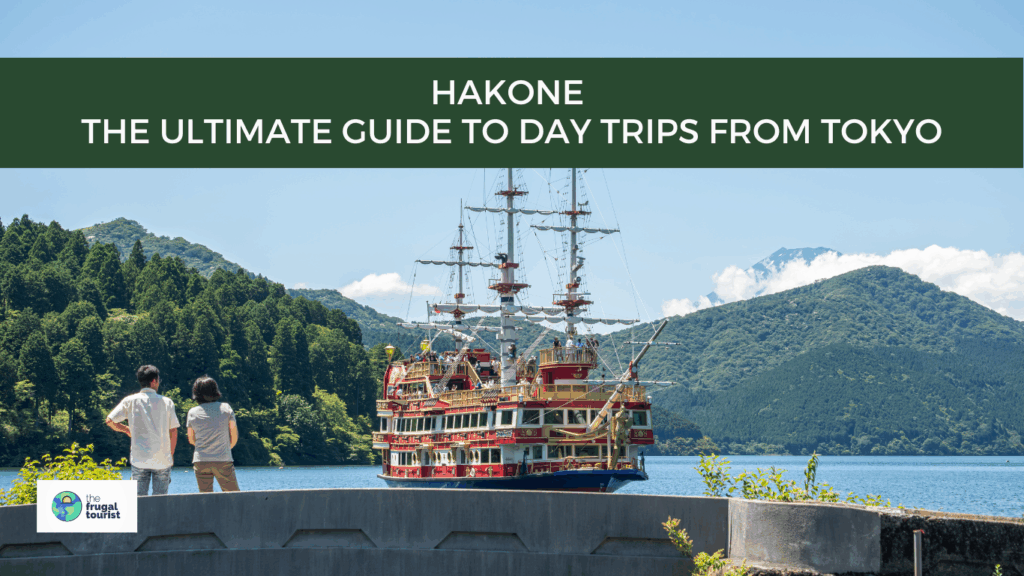
The area offers a classic “Golden Route” that takes you on a picturesque loop via a series of different transportation methods—from a scenic ropeway over a volcanic valley to a pirate ship cruise on a serene lake.
It’s an adventure that feels both grand and manageable in a single day.
Top Hakone Insider Tips
- The Hakone Free Pass is your best friend. This pass covers the round trip from Tokyo and gives you unlimited access to most of the local transportation in the area (trains, ropeways, buses, and boats), saving you a considerable amount of money and the hassle of buying individual tickets.
- Don’t miss a trip to Owakudani, the “Great Boiling Valley.” Here, you can try the famous kuro tamago (black eggs), which are cooked in the naturally sulfuric hot spring waters. Legend says eating one adds seven years to your life!
- For a delicious and hearty meal, try Houtou noodles, a thick, flat wheat noodle dish in a miso-based broth with vegetables like pumpkin and carrots. It’s a perfect comfort food after a day of exploring.
Hakone Transportation Tips
Getting to Hakone is simple.
From Shinjuku Station in Tokyo, take the Odakyu Railway’s “Romancecar” limited express directly to Hakone-Yumoto Station.
The journey takes about 85 minutes and is a comfortable, direct option. Alternatively, a slower express train on the same line takes about two hours but is more affordable.
The Hakone Golden Route: A Recommended Itinerary
The “Hakone Golden Route” is the most popular way to experience the area’s top attractions in a single day.
This loop uses a variety of transportation methods, making the journey itself part of the adventure.
The recommended direction is to travel in a counter-clockwise loop to avoid the heaviest crowds.
Step 1: The Ascent to Gora (Morning)
- From Hakone-Yumoto Station, board the Hakone Tozan Train. This quaint, old-fashioned train is famous for its three switchbacks, where the train changes direction to climb the steep mountain. Enjoy the scenic ride as you make your way to Gora Station. The journey takes about 40 minutes.
Step 2: The Hakone Tozan Cable Car
- At Gora Station, transfer to the Hakone Tozan Cable Car. This funicular railway will take you on a steep ascent through the forest to Sounzan Station. The ride is short but offers impressive views of the surrounding mountainside.
Step 3: The Hakone Ropeway and Owakudani
- From Sounzan Station, board the Hakone Ropeway. This is arguably the most spectacular part of the journey. The ropeway glides over the volcanic Owakudani valley, a landscape of sulfuric vents and steaming craters. Stop at Owakudani Station to see the volcanic activity up close and try a famous kuro tamago (black egg).
Step 4: Lake Ashi Cruise
- Continue on the Ropeway down to Togendai Station, which sits on the shore of Lake Ashi. Here, you’ll board one of the “pirate ships” for a picturesque cruise across the lake. On a clear day, you will be rewarded with stunning views of Mount Fuji framed by the tranquil waters.
Step 5: From Lake Ashi to Hakone-Yumoto (Return)
- The cruise ends at either Moto-Hakone or Hakone-machi. From either port, take a Hakone Tozan Bus to return to Hakone-Yumoto Station. This final leg of the journey will take you on a scenic bus ride back down the mountain, completing the loop.
Kamakura
Known as “Little Kyoto,” Kamakura is a charming coastal town that once served as Japan’s political center.
It’s a place where history and nature merge seamlessly.
You can wander through ancient temples, stroll down a bustling shopping street, and find yourself on a beautiful beach all in the same afternoon.
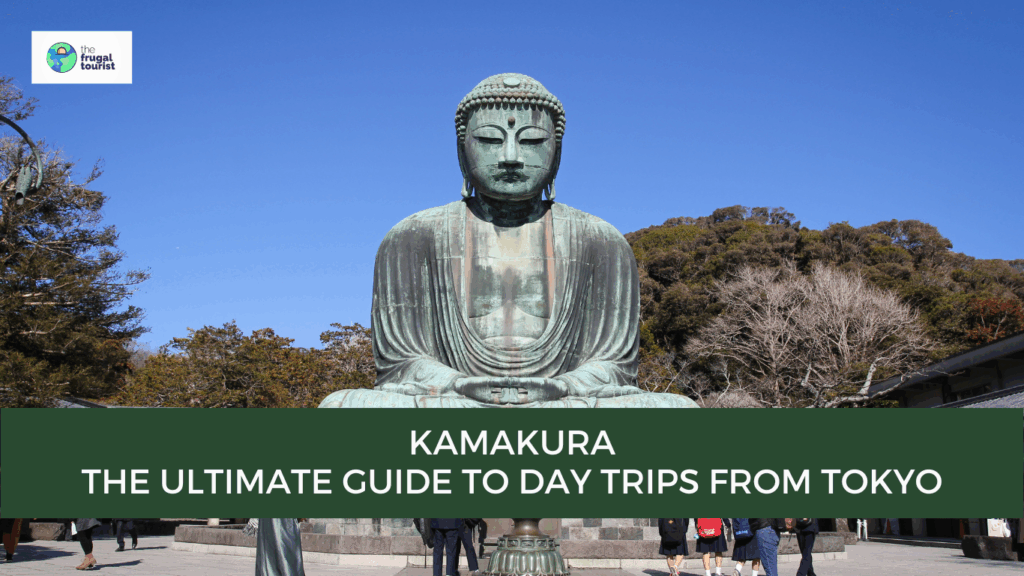
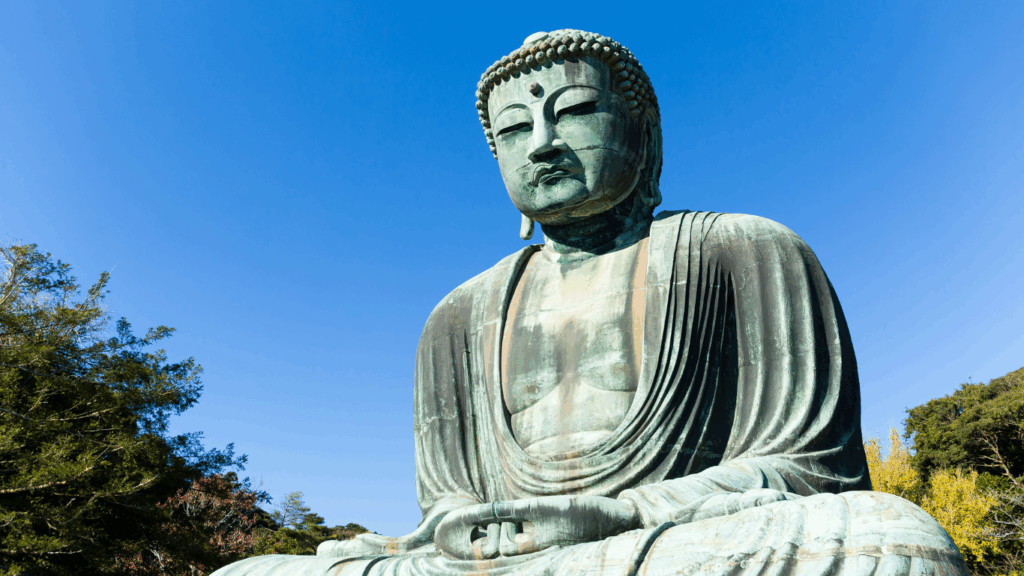
The city’s most iconic landmark is the Great Buddha (Daibutsu) at Kotoku-in Temple, a magnificent bronze statue that has stood for centuries.
Top Kamakura Insider Tips
- For a truly unique experience, take the scenic Enoden line, a charming tram that hugs the coastline, offering incredible ocean views. This line connects many of Kamakura’s key sites, including the Great Buddha and Enoshima Island.
- Don’t leave without trying shirasu (whitebait), a local specialty. It’s often served over a bowl of rice (shirasu-don) or in omelets.
- For a sweet treat, grab a Dango skewer (sweet rice dumplings) from a vendor on Komachi-dori, the main shopping street, and try a Hato Sabure, a dove-shaped shortbread cookie that makes for a perfect souvenir.
Kamakura Transportation Tips
You can reach Kamakura directly from Tokyo Station via the JR Yokosuka Line in under an hour.
Another option is the JR Shonan Shinjuku Line from Shinjuku Station, which also takes about an hour.
Both lines offer direct connections.
A Recommended Kamakura Walking Tour (7 Stops)
This self-guided walking tour is designed to take you to the most iconic spots in Kamakura, balancing historic temples with local flavor.
This route is a loop, starting and ending at the main Kamakura Station, making it easy to navigate and complete in a day.
- Kamakura Station: Your starting point. Take a moment to grab a map or a coffee before you begin.
- Komachi-dori Street: Just outside the East Exit of the station, this lively shopping street is your first stop. Perfect for a morning stroll, you’ll find everything from local snacks and souvenirs to quaint cafes.
- Tsurugaoka Hachimangu Shrine: The main Shinto shrine of Kamakura, located at the end of Komachi-dori. This is a must-visit, with its grand torii gate, serene ponds, and expansive grounds.
- Hokokuji Temple: Take a short bus ride or a 15-minute walk from Tsurugaoka Hachimangu. This temple is famous for its picturesque bamboo grove. Enjoy a tranquil cup of matcha tea while sitting and admiring the towering bamboo stalks.
- Zeniarai Benten Shrine: A unique and intriguing shrine nestled in a cave. Legend has it that if you wash your money in the shrine’s spring water, it will multiply. It’s a fun and memorable experience.
- Kotoku-in (The Great Buddha): The main attraction. From Zeniarai Benten, it’s a scenic walk through the hills on the Daibutsu Hiking Course to reach the temple. Marvel at the impressive, 11-meter-tall bronze statue of Buddha.
- Hasedera Temple: A short walk from the Great Buddha, this temple is known for its eleven-headed statue of the Goddess of Mercy, stunning gardens, and panoramic views of the coast. After your visit, you can take the Enoden train back to Kamakura Station from nearby Hase Station.
Nikko
Nestled in the mountains north of Tokyo, Nikko is a spiritual and natural wonderland.
It is home to some of Japan’s most ornate and lavishly decorated shrines and temples, most notably Toshogu Shrine, a UNESCO World Heritage Site dedicated to Tokugawa Ieyasu.
Beyond the historical treasures, Nikko is famous for its stunning natural scenery, including Kegon Waterfall and the serene Lake Chuzenji.
Top Nikko Insider Tips
- The Nikko All Area Pass, offered by Tobu Railway, can be a great value as it includes the round-trip train journey from Tokyo and unlimited bus and train travel within the Nikko area for four consecutive days.
- Nikko is famous for yuba (tofu skin), which is a local delicacy. You can find it in a variety of dishes, from savory tempura to delicate simmered plates. Another must-try is the traditional soba (buckwheat noodles) and a sweet treat called kakigori (shaved ice) made from pure, natural spring water.
- To avoid the crowds, arrive early. The stillness of the temples and shrines in the morning, before the tour buses arrive, is a truly special experience.
Nikko Transportation Tips
The most popular way to reach Nikko is via the Tobu Railway.
The limited express trains from Tobu Asakusa Station take about two hours.
A more budget-friendly option is to take the slower express trains, which take slightly longer but cost about half the price.
Alternatively, you can take a JR Tohoku Shinkansen from Tokyo Station to Utsunomiya and then transfer to the JR Nikko Line.
This route is more expensive unless you have a JR Pass.
A Recommended Nikko Walking Tour (8 Stops)
This itinerary focuses on Nikko’s main World Heritage sites, most of which are within a manageable walking distance of each other.
It’s designed to be a full, enriching day, so wear comfortable shoes!
- JR or Tobu Nikko Station: Start your journey here. From either station, it’s a pleasant 20-30 minute walk up the main street to the shrine area, or you can take a short bus ride.
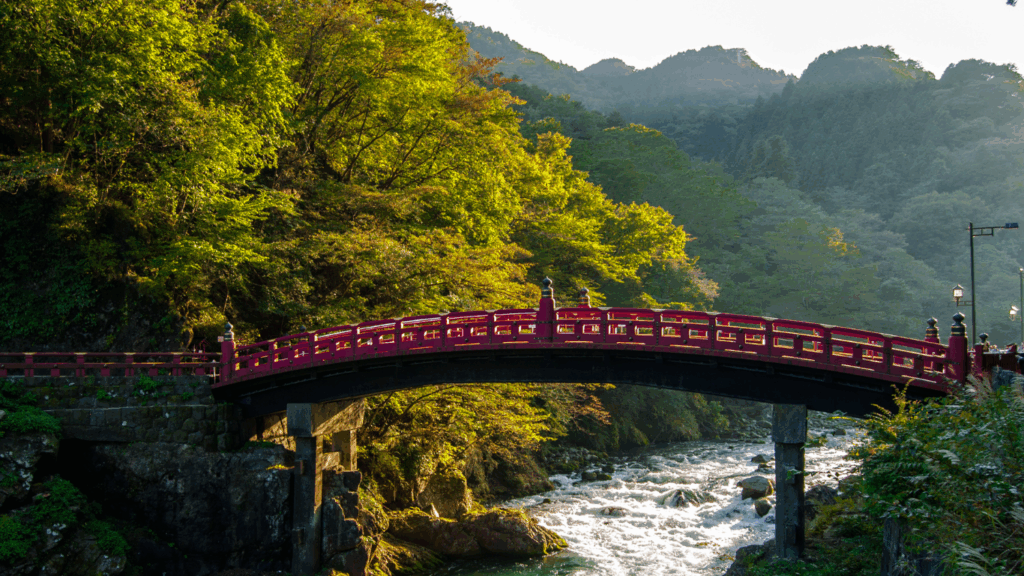
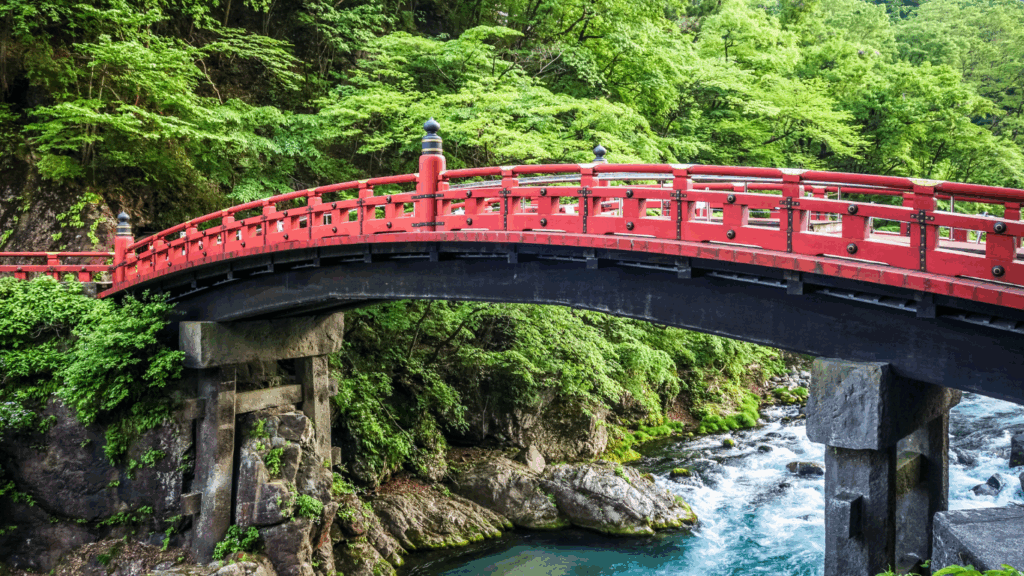
- Shinkyo Bridge: This iconic, vermilion-lacquered bridge is the first landmark you’ll encounter. It’s a beautiful symbol of Nikko and a perfect photo opportunity.
- Rinno-ji Temple: As you enter the main temple and shrine area, Rinno-ji is one of the first sites. It’s one of the most important temples in Nikko and is home to three large statues of Buddhist deities.
- Toshogu Shrine: The star of the show. This lavishly decorated shrine is a UNESCO World Heritage Site and the mausoleum of Tokugawa Ieyasu. Spend at least an hour here to admire the intricate carvings, including the famous “three wise monkeys.”
- Futarasan Shrine: Tucked away in the serene forest behind Toshogu, Futarasan Shrine is a peaceful contrast to its ornate neighbor. It’s a place of worship for the mountains surrounding Nikko.
- Taiyuin Mausoleum: Located on the grounds of Rinno-ji, this mausoleum is dedicated to Tokugawa Iemitsu, the grandson of Ieyasu. It’s a less-crowded but equally stunning architectural masterpiece.
- Kanmangafuchi Abyss: A short bus ride or a pleasant walk from the main shrine complex, this scenic gorge is known for its row of Jizo statues. The quiet riverside walk offers a tranquil break from the crowds.
- Return to Station: From Kanmangafuchi Abyss, you can take a local bus or walk back to Nikko Station to catch your train back to Tokyo.
What to Pack for Your Day Trip
A smart packing list can make all the difference on your day trip. While you won’t need your large suitcase, having these essentials will ensure your day runs smoothly and you’re prepared for anything.
- Cash (Japanese Yen): While many places in Tokyo accept credit cards, smaller towns, local shops, and some rural restaurants may be cash-only. Always carry a good amount of Japanese Yen to be safe.
- A “No-Fee” ATM Card: Find out if your bank offers a card with no foreign transaction fees. Using ATMs at places like 7-Eleven or Japan Post offices is a convenient way to get cash without incurring extra charges.
- Camera and/or Smartphone: Capture the stunning scenery, from the coastal views in Kamakura to the mountain vistas in Hakone.
- Portable Battery/Power Bank: Between taking photos, navigating with maps, and using your e-SIM, your phone battery will drain quickly. A portable charger is a non-negotiable item for a full day of exploration.
- A Day Pack: A small, comfortable backpack is perfect for carrying your essentials, snacks, and any souvenirs you pick up along the way.
- Layers of Clothing: Weather can change quickly, especially in mountainous areas like Hakone and Nikko. Dressing in layers allows you to adapt to temperature fluctuations throughout the day.
- Water Bottle: Stay hydrated as you walk and explore. It’s an easy way to save money and reduce plastic waste.
- Offline Google Maps: Before you leave your accommodation’s Wi-Fi, download offline maps of the areas you’re visiting. This way, you can navigate even in areas with spotty cell service.
- e-SIM: For travelers with compatible phones, an e-SIM is an affordable and convenient way to get mobile data without needing a physical SIM card. It’s a seamless way to stay connected.
Final Thoughts
Tokyo’s magnetic pull is undeniable, but the beauty of a trip to Japan lies in its incredible accessibility.
From the heart of this megacity, a world of ancient history, breathtaking nature, and unique culinary adventures is just a train ride away.
These day trips prove that you don’t need a lavish budget or an extensive itinerary to discover the country’s diverse and captivating spirit.
By taking a small step outside of the city’s confines, you open the door to unforgettable experiences that will enrich your journey and leave you with a deeper appreciation for all that Japan has to offer.
So go on, pack a small bag, buy a train ticket, and let the adventure begin!
ADVERTISER DISCLOSURE: The Frugal Tourist is part of an affiliate sales network and receives compensation for sending traffic to partner sites, such as MileValue.com. This compensation may impact how and where links appear on this site. This site does not include all financial companies or all available financial offers. Terms apply to American Express benefits and offers. Enrollment may be required for select American Express benefits and offers. Visit americanexpress.com to learn more. All information about the American Express Schwab Platinum has been collected independently by The Frugal Tourist.
EDITORIAL DISCLOSURE: Opinions, reviews, analyses & recommendations are the author’s alone and have not been reviewed, endorsed, or approved by any of these entities.
USER-GENERATED CONTENT DISCLOSURE: The comments section below is not provided or commissioned by the bank advertiser. Responses have not been reviewed, approved, or otherwise endorsed by the bank advertiser. It is not the bank advertiser’s responsibility to ensure all questions are answered.