
ADVERTISER DISCLOSURE: The Frugal Tourist is part of an affiliate sales network and receives compensation for sending traffic to partner sites, such as MileValue.com. This compensation may impact how and where links appear on this site. This site does not include all financial companies or all available financial offers. Terms apply to American Express benefits and offers. Enrollment may be required for select American Express benefits and offers. Visit americanexpress.com to learn more. All information about the American Express Schwab Platinum has been collected independently by The Frugal Tourist.
EDITORIAL DISCLOSURE: Opinions, reviews, analyses & recommendations are the author’s alone and have not been reviewed, endorsed, or approved by any of these entities.
One of the most common questions I get from first-time visitors to Japan is what day trips to take from the major cities.
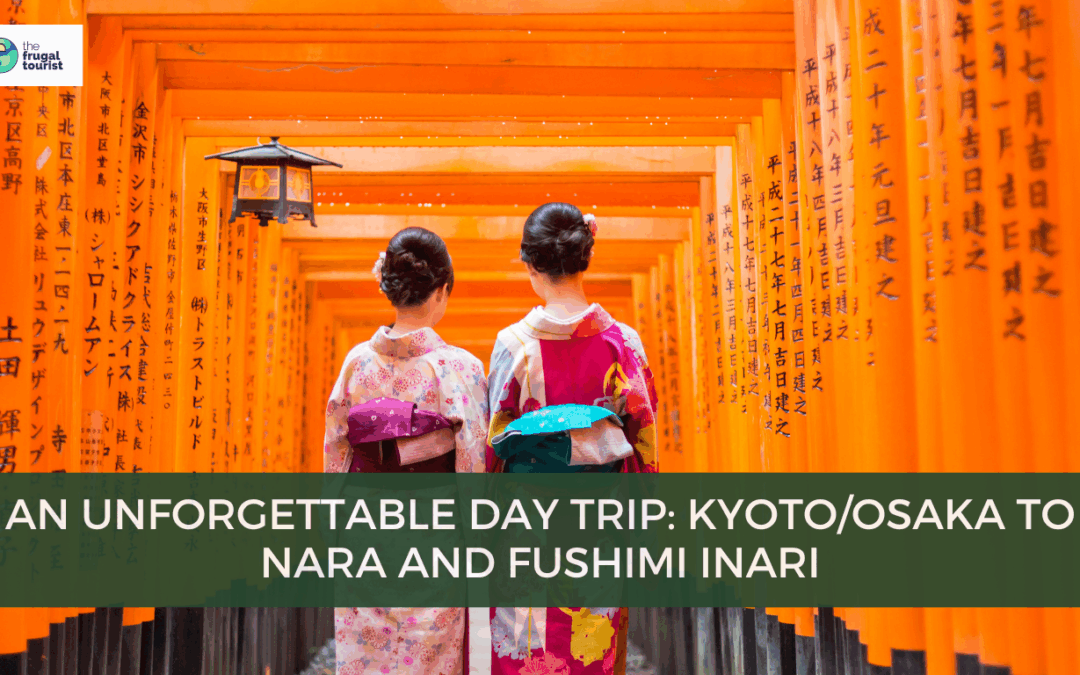
My number one recommendation is an incredible journey from Kyoto or Osaka to two of the country’s most iconic and spiritual sites: Nara and Fushimi Inari Shrine.
This day trip is highly recommended because it perfectly blends ancient history, cultural immersion, and stunning natural beauty.
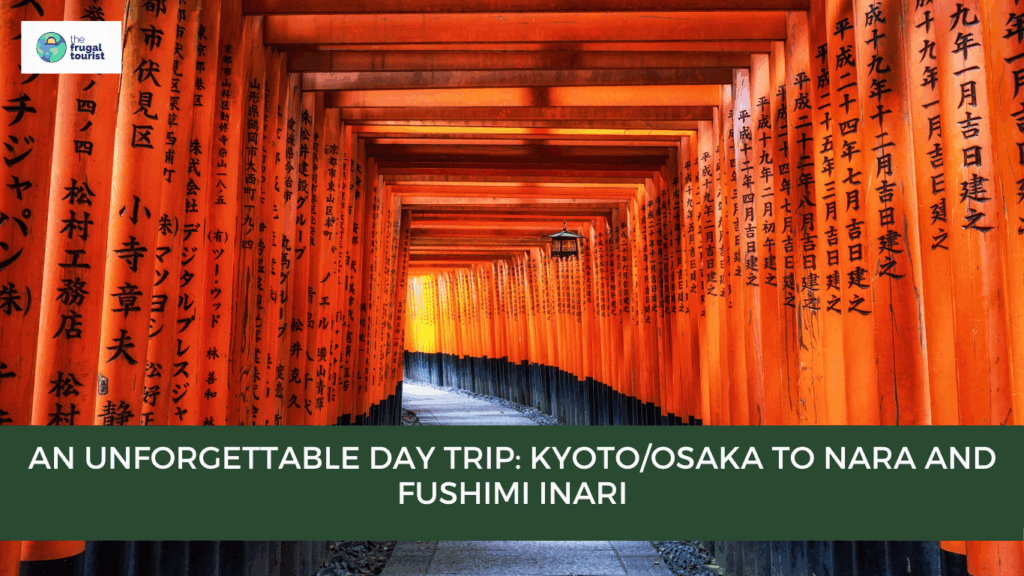
You’ll walk among sacred deer in a UNESCO World Heritage site, see the largest bronze Buddha in the world, and hike through thousands of orange torii gates.
This itinerary efficiently allows you to experience two of Japan’s must-see destinations in a single, well-planned day, leaving you with more time to explore other parts of your trip.

Join Our Free Travel Miles & Points Facebook Group

Recommended Itineraries
Here are two options to help you plan your perfect day trip, depending on your preferred pace and schedule.
As Kyoto is closer to these sites, visitors staying in Osaka should prepare for an early start.
If you’re starting your day a little later, I recommend following Itinerary Option 1.
Option 1: Nara First, Sunset at Fushimi Inari
This itinerary is perfect if you want to take your time exploring Nara and end your day with a truly magical, less-crowded experience at Fushimi Inari Shrine.
Morning: Nara
Take the train from Kyoto or Osaka to Nara Station.
Spend the morning exploring Nara Park, Tōdai-ji Temple, and Kasuga Taisha Shrine.
You’ll have plenty of time to enjoy the deer and the historic sites without feeling rushed.
Lunch: Nara
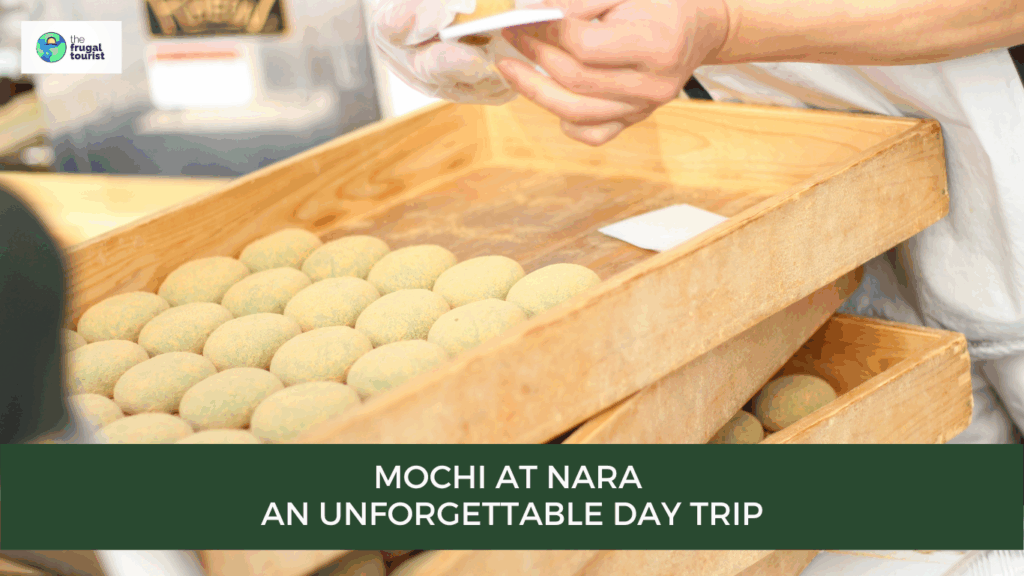
Grab a bite to eat in Nara, making sure to try some local delicacies like mochi.
Afternoon/Evening: Fushimi Inari
In the late afternoon, take the JR Nara Line from Nara Station to Inari Station.
This gives you time to begin your ascent up Mount Inari as the sun begins to set.
As the light fades, the path becomes less crowded, and the atmosphere becomes serene.
Sunset Hike: Inari
As you hike, you’ll see the orange gates illuminated by the golden light of the setting sun and then by the shrine’s own lanterns after dark.
This is an incredibly peaceful and exceptional experience.
Option 2: Early Birds at Fushimi Inari, End at Nara
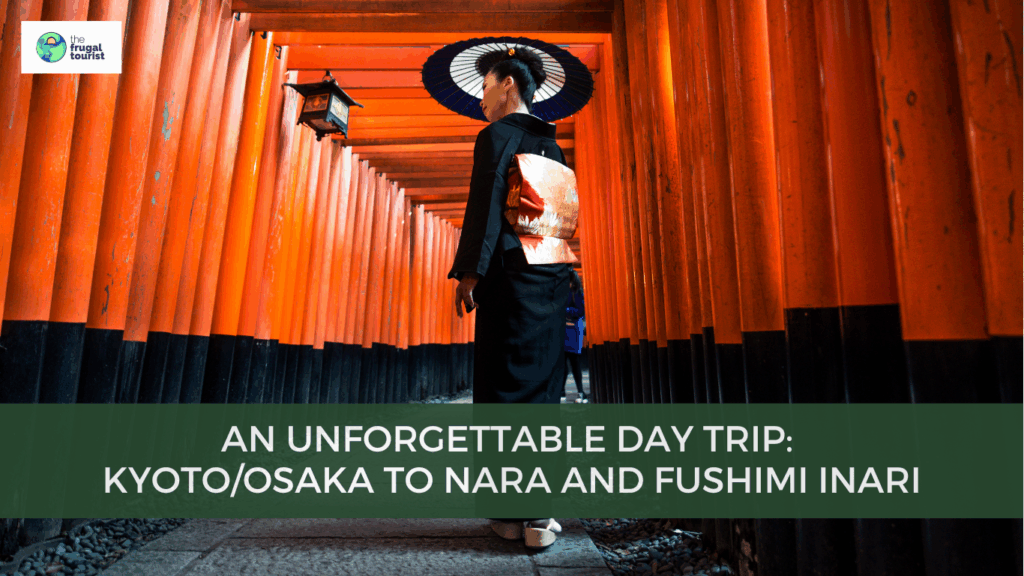
This option is for the early risers who want to beat the crowds and get those iconic, tourist-free photos.
Morning: Fushimi Inari
Start your day by taking the JR Nara Line from Kyoto Station to Inari Station.
Arrive as early as possible (think 7 AM or earlier) to enjoy the main torii gate paths with minimal crowds.
You’ll have the space to take stunning photos and soak in the atmosphere.
Hike all the way up to the Yotsutsuji intersection for the panoramic Kyoto view and decide if you want to continue to the summit.
The crowds will begin to arrive as you descend, giving you a chance to see both the quiet and bustling sides of the shrine.
Late Morning/Lunch: Inari or Nara
After your hike, you have the option to have lunch at Inari.
Alternatively, you can take the JR Nara Line from Inari Station to Nara Station and enjoy a well-deserved lunch in Nara.
Afternoon: Nara
Spend the afternoon exploring Nara Park, Tōdai-ji Temple, and Kasuga Taisha Shrine.
The deer are just as charming in the afternoon, and you’ll still have ample time to see all the major sites before heading back to Kyoto or Osaka.

Starting from Kyoto or Osaka
While this day trip is entirely possible from both Kyoto and Osaka, it’s generally easier to do from Kyoto.
This is because both Nara and Fushimi Inari are on the JR Nara Line, making for a straightforward and quick journey with multiple transportation options.
However, if you are staying in Osaka, the trip is still very manageable and can be done in a single, albeit long, day.
For a more relaxed pace, you could also consider splitting these two fantastic sites across two separate days.
Public Transportation Tips
Traveling between these locations by train is both efficient and affordable. The journey is straightforward:
- Kyoto to Fushimi Inari: From Kyoto Station, take the JR Nara Line and get off at Inari Station. It’s a quick 5-minute ride, and the shrine is right across the street. Be sure to take the local train, as the express train does not stop at Inari Station.
- From Osaka: The easiest way to get to Nara is by taking the JR Yamatoji Line from JR Namba Station or Tennoji Station directly to JR Nara Station. This journey takes approximately 45 minutes. From there, you can take a local bus or walk to Nara Park.
- Fushimi Inari to Nara: From Inari Station, get back on the JR Nara Line and ride it to Nara Station. This journey takes approximately 45 minutes.
- Check Google Maps. To find the best way to reach these destinations during your visit, be sure to consult Google Maps.
The Best Sites in Nara
Nara was the first permanent capital of Japan, and its rich history is still very much alive. Here are the must-see spots:
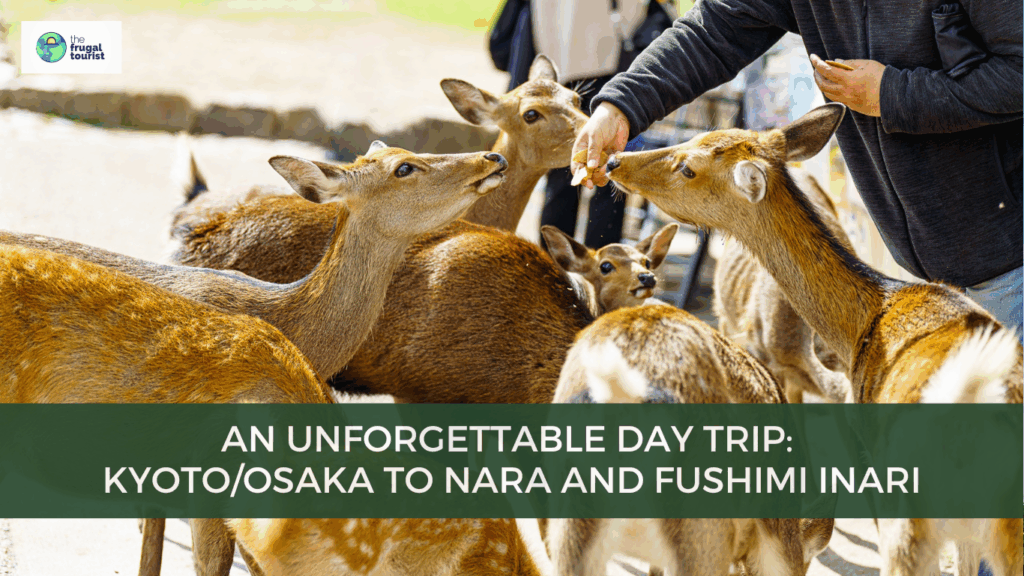
- Nara Park: Home to over 1,400 free-roaming sika deer, who are considered messengers of the gods. You can buy “shika senbei” (deer crackers) from vendors to feed them. Be prepared for some to be quite persistent!
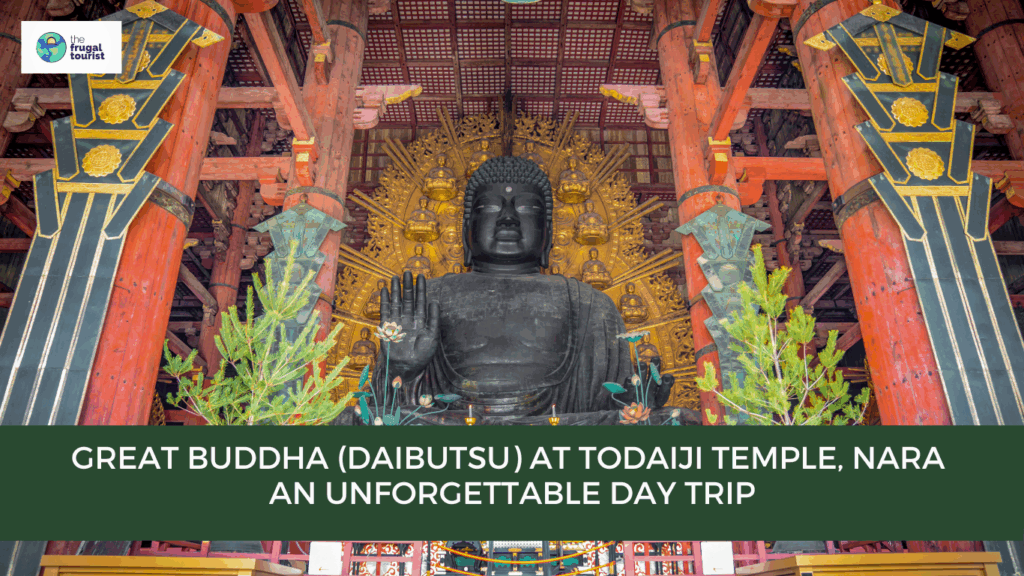
- Tōdai-ji Temple: A UNESCO World Heritage site and home to the Daibutsu, the Great Buddha. The temple’s Daibutsuden (Great Buddha Hall) is the largest wooden building in the world and houses a 15-meter-high bronze statue of Buddha.
- Kasuga Taisha Shrine: Famous for its thousands of stone and bronze lanterns donated by worshipers. It’s a beautiful and serene spot, especially when the lanterns are lit.
Walking Tour Essentials
This day trip involves a lot of walking, so comfortable shoes are an absolute must.
Here are a few other essentials for your day:
- Water and Snacks: While there are vending machines and some shops along the Fushimi Inari trail, they can be pricey. It’s a good idea to bring your own water and a few snacks.
- A small backpack: Perfect for carrying your water, snacks, and any souvenirs you pick up along the way.
- Loose change: Many of the smaller shrines have offering boxes, so it’s handy to have some small coins.
Insider Tips You Should Not Miss
Fushimi Inari Shrine Timing
The shrine is open 24/7, and crowds can be intense, especially at the entrance.
The best times to visit are either very early in the morning (before 8 AM) or later in the evening to capture photos without hundreds of tourists.
The trail is beautifully illuminated at night, creating a magical atmosphere.
Hiking to the Top
The hike to the summit of Mount Inari is a moderate climb that takes about 2-3 hours round-trip.
It’s a fantastic way to escape the crowds at the bottom.
The higher up Mount Inari visitors go, the more tranquil it becomes.
Even during busy days, a little hiking ensures peace and photo opportunities.
Breathtaking View
Around the halfway point, there is a viewpoint called Yotsutsuji intersection, which offers a spectacular panoramic view of Kyoto.
From this juncture, you have the option to keep on climbing up to the top.
The shorter and faster route should be the path to your right, which is about a 15-minute walk from this viewpoint.
Alternatively, you can make a loop out of this final section of the hike.
If you decide to do this, I’d take the pathway in front of you.
Whatever pathway you take, it is guaranteed to be a hike to remember for a lifetime.
Dress Modestly
Fushimi Inari is a sacred area, so be respectful and dress appropriately.
Wearing layers is a good idea, as you’ll be active and might get warm.
However, if you visit during the summer months of June to August, be prepared to sweat it out.
I’d bring an extra shirt, a towel, a fan, and extra bottles of water if you are hiking here in the sweltering heat.
Deer Food at Nara
At Nara, skip the main souvenir street and buy deer snacks from small kiosks, where the deer tend to gather and interact.
Be careful, though, as the deer know where their food comes from and will patiently wait around anyone who buys from these kiosks.
Deer Etiquette in Nara: A Must-Read Guide
Nara Park’s sacred deer are one of the main attractions, but it’s crucial to remember that they are wild animals, not domesticated pets.
The Nara Park deer are the same species as the Japanese Sika found elsewhere, but they have a unique genetic lineage and have been carefully protected as “Messengers of the Gods” for over 1,300 years.
This makes them designated natural monuments of Japan and living cultural assets.
However, their status as sacred animals doesn’t make them any less wild.
To ensure a safe and enjoyable experience for both you and the deer, please follow these rules of etiquette.

1. Feeding the Deer
- Only use approved crackers: Purchase deer crackers (Shika-senbei) from vendors in the park. These are made from wheat flour and rice bran and are specifically formulated for the deer’s health. Never feed them human food like bread, snacks, or candy, as it can make them very ill. A portion of the proceeds from cracker sales goes to protecting the deer.
- Feed them one by one: Offer crackers one at a time to avoid aggressive behavior. Giving a whole stack at once can cause a frenzy.
- Avoid teasing: The deer are smart. If they see you holding crackers but not giving them, they can become agitated and even bite. Hide the crackers in a bag or behind your back until you are ready to give them.
- Show empty hands: Once you’re out of crackers, spread your arms wide and show your empty palms. The deer understand this signal and will usually move on. This is a crucial step to prevent any trouble.
- The Bowing Ritual: Nara’s deer are famous for their bowing to ask for a cracker. To get them to do this, hold the shika-senbei with an outstretched arm, then hold it behind your back to elicit a second bow. Hold it out again for a third and final bow before rewarding them with the treat. However, be mindful—while charming, a deer’s head-bowing can also be a precursor to a headbutt if they don’t get the food they want.
2. Respecting the Deer
- Be calm: Speak gently and avoid screaming or making loud noises, which can startle and agitate the deer.
- Keep your distance: Do not invade their personal space or disturb them if they are sleeping or resting. Remember, they are wild animals.
- Beware of bowing: As mentioned above, a bowing deer may be adorable, but it is often a sign that they are demanding food. Be mindful that this can be a precursor to a headbutt if they are not given food.
- Watch out for males with antlers: Male deer can become more aggressive, especially during mating season in the autumn. Be particularly cautious around them.
- Supervise children: Never leave small children unsupervised with the deer. It’s a good idea to pick up and hold young children while feeding the deer to ensure a safe experience.
3. Protecting Yourself and Your Belongings
- Secure your food and trash: The deer have a keen sense of smell and will try to get into anything that looks like food. Keep all your food, maps, brochures, and other paper products in a bag. Never leave trash behind, as there are no trash cans in the park, to prevent the deer from ingesting plastic and paper.
- Be aware of their nibbling: The deer may try to nibble at your clothes. Avoid wearing loose or flowing garments that they might mistake for something edible.
- Watch your step: Be mindful of stepping on deer droppings, especially in areas where they are frequently fed.
- If you get mobbed: If you find yourself surrounded by an over-eager group of deer, calmly but swiftly move to another area. Conceal your remaining crackers, show your empty hands, and get to a less-crowded spot in the park.
What to Eat in Nara
Nara offers a variety of delicious local specialties. Don’t miss these treats:
- Mochi: Look for Nakatanidou, a famous shop near Nara Park known for its high-speed mochi pounding. The fresh mochi is soft, chewy, and filled with sweet red bean paste. The pounding display is a spectacle in itself!
- Kakinohazushi: A local delicacy of sushi wrapped in a persimmon leaf.
- Miwa Somen: Very thin noodles that are often served chilled in a refreshing broth during the summer.
Final Thoughts
A day trip from Kyoto or Osaka to Nara and Fushimi Inari Shrine is a quintessential Japanese experience.
The combination of spiritual serenity, ancient history, and natural beauty makes for a day you won’t soon forget.
With a bit of planning and these insider tips, you can have an unforgettable adventure and truly get the most out of your time. Happy travels!
ADVERTISER DISCLOSURE: The Frugal Tourist is part of an affiliate sales network and receives compensation for sending traffic to partner sites, such as MileValue.com. This compensation may impact how and where links appear on this site. This site does not include all financial companies or all available financial offers. Terms apply to American Express benefits and offers. Enrollment may be required for select American Express benefits and offers. Visit americanexpress.com to learn more. All information about the American Express Schwab Platinum has been collected independently by The Frugal Tourist.
EDITORIAL DISCLOSURE: Opinions, reviews, analyses & recommendations are the author’s alone and have not been reviewed, endorsed, or approved by any of these entities.
USER-GENERATED CONTENT DISCLOSURE: The comments section below is not provided or commissioned by the bank advertiser. Responses have not been reviewed, approved, or otherwise endorsed by the bank advertiser. It is not the bank advertiser’s responsibility to ensure all questions are answered.